
Breakdown of the most cost-effective reinforcement method for semi-trailer main beam
Introduction
When it comes to improving beam performance—particularly reducing deflection—there are several reinforcement techniques available. But not all methods are equally efficient in terms of cost, labor, and implementation.
In this article, we explore and compare the three most common reinforcement strategies to help you choose the right one for your project—especially when budget and fabrication simplicity matter.
Semi Trailer Main Beam
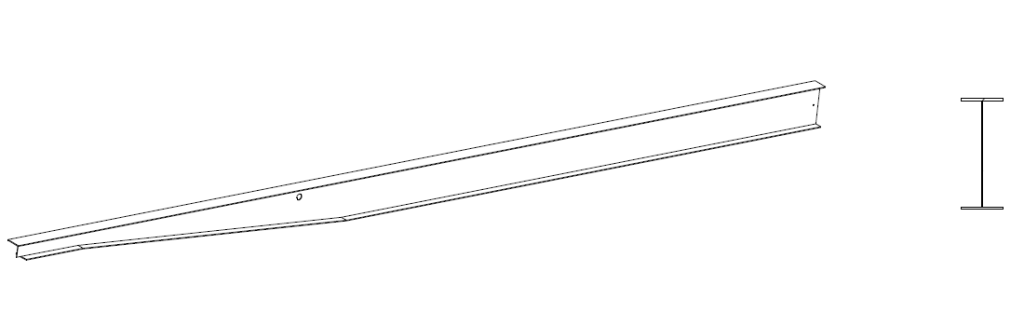
1. Bottom Reinforcement Plate (Flange Reinforcement)
Cost-Effectiveness: This is typically the most cost-effective method for reinforcing a beam. It involves adding a plate (usually steel) to the bottom flange of the beam, which increases the moment of inertia and section modulus of the beam.
- Material Costs: The material cost is relatively low because you’re only adding a flat plate of steel, which is simple to manufacture and weld to the beam. The cost will depend on the thickness and width of the plate, but it’s generally cheaper than boxing a beam or significantly changing the beam’s dimensions.
- Labor Costs: The labor involved in adding a bottom reinforcement plate is straightforward. It typically involves cutting and welding the plate onto the beam, which is less labor-intensive compared to fabricating a box section or redesigning the entire beam.
- Effectiveness: While adding a bottom plate increases the section modulus and reduces deflection, it’s less effective compared to boxing the beam. However, for many applications, this level of reinforcement might be sufficient to meet deflection criteria and provide adequate strength.
- Implementation: This method can be applied to existing beams, so it’s ideal for retrofit applications where you don’t want to change the entire beam structure.
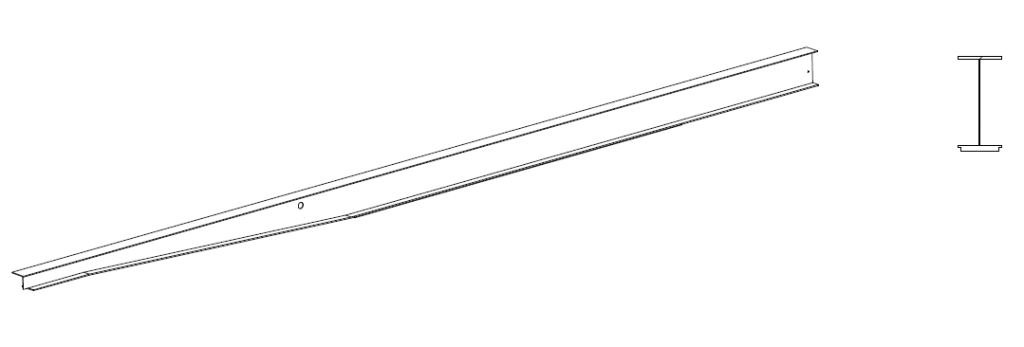
2. Boxing the Beam (Closed Section)
Cost-Effectiveness: Boxing the beam involves creating a closed, hollow section by adding vertical web plates and top and bottom flanges to the original beam. This is more expensive than simply adding a bottom reinforcement plate.
- Material Costs: The cost of materials increases because you need to fabricate additional plates (top, bottom, and side webs), which involves more steel compared to just adding a single plate to the bottom flange. The cost is higher for this method because of the extra material.
- Labor Costs: Boxing the beam requires more extensive labor for cutting, welding, and assembling the components into a closed section. This is a more complex process than simply adding a bottom plate, which makes it more labor-intensive and costly.
- Effectiveness: Boxing a beam significantly increases the beam’s stiffness by increasing the moment of inertia and section modulus, offering the best deflection reduction. However, the higher cost of material and labor means it’s usually only used for applications where the beam needs a substantial increase in strength and stiffness.
- Implementation: This method requires more extensive changes to the beam’s design, which might not always be necessary if a bottom plate can provide sufficient reinforcement.
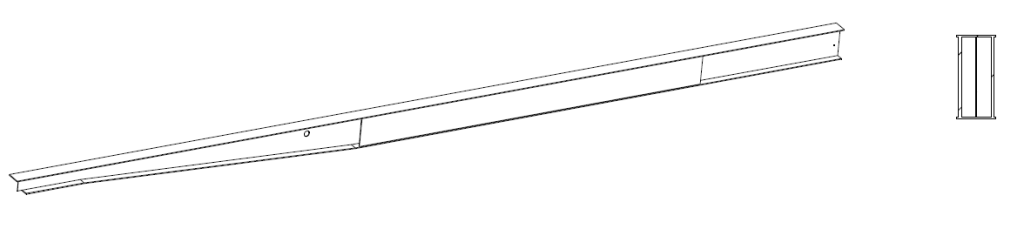
3. Increasing Beam Height or Width
While not specifically a reinforcement method, increasing the height or width of the beam would also increase the section modulus and reduce deflection. However, this requires producing a completely new beam (or reworking the entire beam), which might be more expensive than adding a bottom plate or boxing the beam, especially if you are dealing with a large structure.
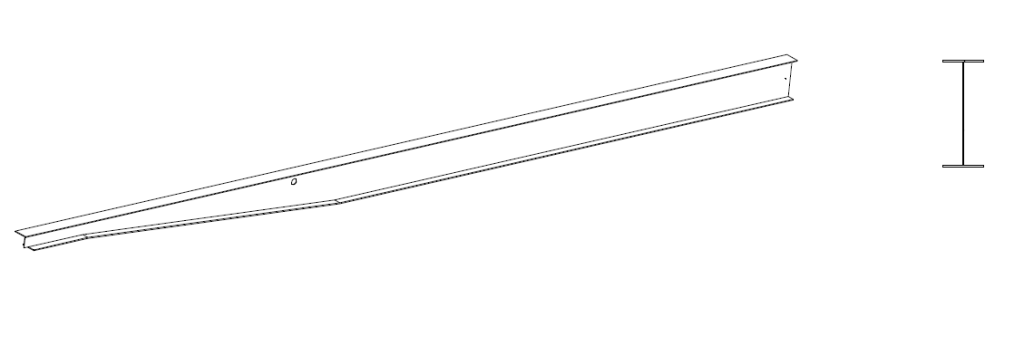
Conclusion: Most Cost-Effective Reinforcement Method
Based on the analysis:
- The bottom reinforcement plate is the most cost-effective method. It provides a good balance of reduced deflection and relatively low material and labor costs. If the required deflection reduction is modest and the structure does not require a significant increase in stiffness, this method is usually sufficient and the least expensive.
- Boxing the beam would be the best option for maximum stiffness and deflection reduction, but it’s more expensive due to increased material and labor costs. It’s best suited for high-performance applications where the extra stiffness is critical.
Therefore, adding a bottom reinforcement plate is generally the most cost-effective solution for reducing deflection in a beam, unless there’s a specific requirement for greater stiffness and a more complex solution.